
Hey there, Medicare budget line items. Yeah, you - the ones labeled "cancer care spending." We need to talk.
Hey there, Medicare budget line items. Yeah, you - the ones labeled "cancer care spending." We need to talk.
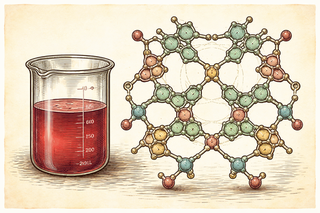
For years, there was this awkward silence in photodynamic therapy research - the kind of silence that happens when everyone's pretending not to notice the elephant in the room. The elephant? Tumors are often hypoxic, meaning they're low on oxygen. And the main weapon we had against them - a...
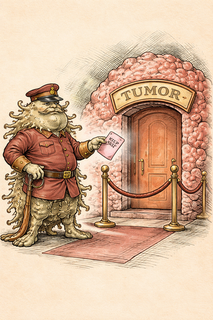
What if you could waltz into a tumor's personal security detail and just... hand them all pink slips? Sounds ridiculous, right? But that's essentially what researchers just pulled off in a clinical trial for metastatic triple-negative breast cancer, and the results are making immunologists do a...
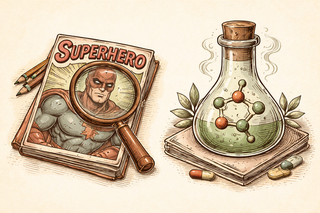
Growing up, I was obsessed with X-Men. Not for Wolverine's claws or Storm's weather powers, but for the concept of "second-generation mutants" - the ones who learned from their predecessors' mistakes and came back stronger, smarter, more refined. Little did I know that decades later, I'd be writing...
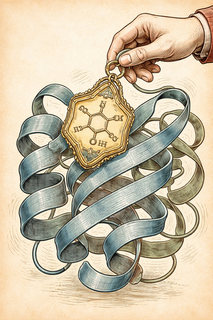
In Memoriam: Traditional Protein Inhibition (1970s - 2026)

The problem with lumping all Asian Americans into one statistical bucket is that you end up with a survival rate smoothie - technically accurate on average, but completely useless for understanding what's actually happening to real people.
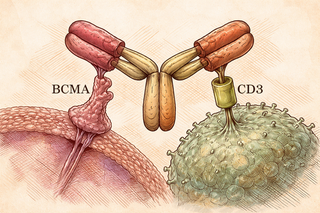
Ladies and gentlemen of the jury, the evidence has been presented. The defendant: elranatamab, a new bispecific antibody treatment for multiple myeloma. The charge: being oversold based on clinical trial data that doesn't quite match the messy reality of actual patients. The verdict? It's...
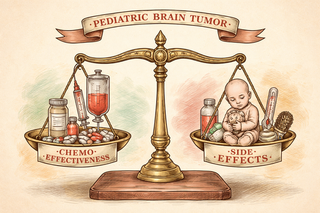
Let me be honest with you: I've read enough "revolutionary breakthrough" papers to last several lifetimes. So when a study comes along suggesting we might be able to dial back toxic chemotherapy in kids with brain tumors without hurting their survival, my first instinct is to squint suspiciously at...

A researcher stares at a spreadsheet, watching numbers tick upward. Not stock prices, not social media engagement - these are screening rates for lung cancer, creeping from 17% to nearly 25%. Somewhere, a patient just clicked a link in a text message and scheduled a CT scan that might catch a tumor...

If MIRAI had a LinkedIn, its headline would read: "AI Risk Predictor | Better at spotting trouble than your doctor's questionnaire | Occasionally dramatic about low-risk patients."
If cancer treatment were a final exam, you'd think passing it - surviving five or more years - would earn you straight A's and permanent summer vacation. But for people who beat diffuse large B-cell lymphoma (DLBCL), it turns out the body keeps handing out surprise quizzes. And the subject?...
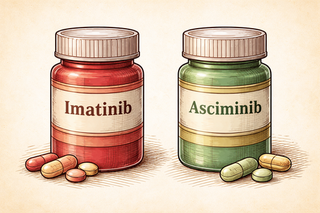
Watch closely. In one hand, we have imatinib—the drug that transformed chronic myeloid leukemia from a death sentence into a manageable condition back in 2001. Revolutionary stuff. In the other hand, we have the newer second-generation TKIs that promised even better results. And now, for the...
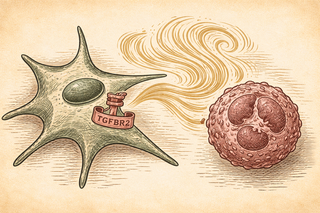
UCSF Research Team Discovers New Villain Hiding in Pancreatic Tumors After Knocking Out Fibroblast's Primary Communication Channel

Meet obesity. Not the kind your bathroom scale passive-aggressively reminds you about, but the cellular villain lurking in your fat tissue - the kind that gets bored, stops pulling its weight, and starts actively sabotaging the neighborhood. Scientists call these troublemakers "senescent" cells,...
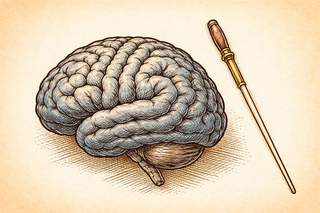
Think of your brain as the world's most complex orchestra - billions of neurons firing in precise harmony, every section playing its part. Now imagine a rogue musician who not only refuses to follow the conductor but starts recruiting other instruments to play an entirely different, chaotic piece....
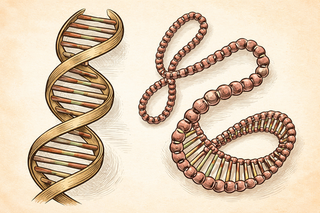
Let me tell you about a molecular con artist that's been flying under the radar for years.
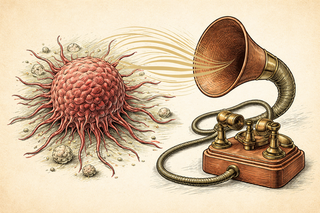
Like the Voynich manuscript sitting in Yale's library - that medieval book written in a language no one can crack - cancer cells have been whispering to each other in a code scientists couldn't fully decipher. Until now.
Something genuinely annoying happens in medicine more often than anyone likes to admit: a narrowing shows up in your bile duct, and nobody can figure out if it's trying to kill you or just being dramatic.
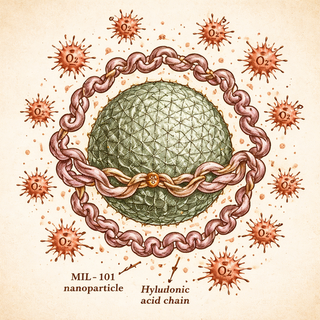
The cancer cells lost. Not just lost—they got outmaneuvered, outflanked, and then demolished by their own recycling machinery while simultaneously rusting from the inside out. That's the headline from a new study in Angewandte Chemie, where researchers essentially built a Trojan horse that sneaks...
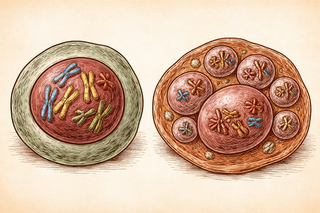
Recipe for a cancer cell disaster: